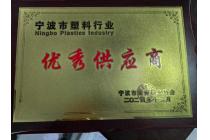
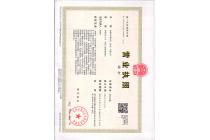
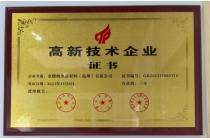
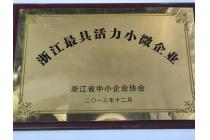
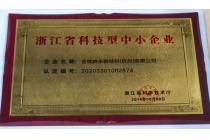
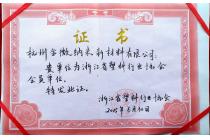
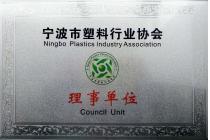
Certifications

Address: No. 489, Hongtai Sixth Road, Hongken Farm, Xiaoshan Economic Development Zone, Hangzhou, Zhejiang, China
Tel: +86-571-83532215
Fax:+86-571-82879575
Website: www.hafukeji.com
If Making Polypropylene Flame - Retardant Sheets, Can Fillers Be Added? Adding If Making Polypropylene Flame - Retardant Sheets, Can Fillers Be Added? Adding
In the production process of PP sheets, fillers are added considering various aspects. The main considerations are as follows:
First, the low price helps to reduce costs. Commonly used fillers include calcium carbonate, talcum powder, barium sulfate and other raw materials. The prices of these fillers range from 1,000 yuan to 5,000 yuan per ton, and the cost is much lower compared to PP raw materials and other additives, thus achieving the goal of cost reduction.
Second, it enhances the toughness of the plastic and improves the surface hardness. PP sheets generally have certain requirements for the hardness of the finished product, and the hardness of PP itself cannot meet these requirements, so fillers are needed to enhance it.
Third, with a high melting point, it can improve the flame retardancy and Vicat softening point of the filled material.
Fourth, it can effectively reduce the shrinkage rate of the filled material. Some products have requirements for deformation, and the products should not change too much, which can be solved by adding mica powder.
However, adding fillers not only has advantages but also brings problems. Issues such as the uniform distribution and dispersion of fillers in the PP matrix, and the molecular affinity between the surface of filler particles and non-polar polypropylene need to be addressed.
Fillers can be added to polypropylene sheets, but it is recommended not to add too much. 5-10% is appropriate!