Certifications
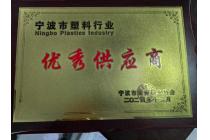

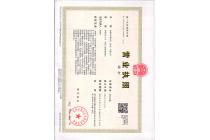
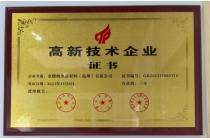
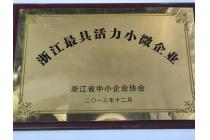
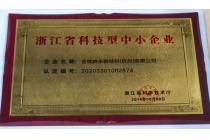
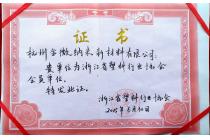
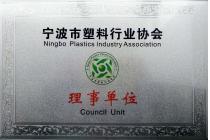
Address: No. 489, Hongtai Sixth Road, Hongken Farm, Xiaoshan Economic Development Zone, Hangzhou, Zhejiang, China
Tel: +86-571-83532215
Fax:+86-571-82879575
Website: www.hafukeji.com
What Are the Flame - Retardant Systems for Choosing Polypropylene Flame - Retardant Sheets?
At present, there are the following types of PP flame-retardant systems.
The first type: Bromine-antimony system
Commonly, antimony trioxide is used in combination with brominated flame retardants. The mechanism is that antimony trioxide reacts with bromide, and finally antimony chloride is generated through thermal decomposition. Antimony chloride can stay in the combustion zone for a long time, isolating the air and achieving the flame-retardant effect. Secondly, antimony chloride can capture flammable free radicals, playing a role in suppressing the flame. Thirdly, antimony chloride condenses into droplet-shaped solid particles, which can absorb a large amount of heat, slowing down or stopping the combustion rate and achieving the flame-retardant purpose.
The second type: Phosphorus-nitrogen system
The flame-retardant mechanism of the phosphorus-nitrogen system flame retardant is that through thermal decomposition, phosphoric acid and non-combustible gas are released, and the latter can isolate oxygen around the flame. Phosphoric acid can catalyze the surface coking, promoting the formation of a porous coking layer on the combustion surface, playing the roles of heat insulation and oxygen isolation, thus achieving flame retardancy.
The third type: Composite system
Multiple flame retardants are used, and they cooperate in flame retardancy from multiple angles to achieve the purpose of flame retardancy.
Generally, the phosphorus-nitrogen system is used more frequently!